




The Best of Small Town in a Big City
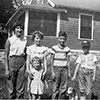
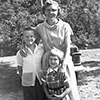
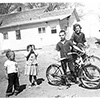
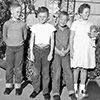
Spending my childhood in a suburb of a large city in the 1960s was a wonderful way to grow up. My brothers and sisters and I had the benefits of a small neighborhood, where we were free to roam all over, and the thrills of the large city were only a car or bus ride away.
We moved to the Village of Hamburg, N.Y., from the Village of Blasdell, N.Y., in 1961. Both of these villages are part of the Town of Hamburg. We moved to a larger house before my youngest brother was born and right before I started kindergarten. The elementary school was a few blocks away, and with only one car in the family, walking to school and back home was a daily thing.
At that time, coming home for lunch was common, and most times, I walked by myself. Even later on when my brothers and sisters started school, as the oldest, I didn't have to monitor them to make sure they got home. The 1960s were a safer time when parents could just let their children be children, and walking to school and playing all over the neighborhood was normal.
Our neighborhood backyards were long and all ran together; there were hardly any fences to divide them, and those that did have a fence had a place to pass through to an adjoining yard. We were lucky that the backyards on the neighboring street butted up against the backyards on our street. This made it so much easier to traverse the neighborhood -- no running along the sidewalk!
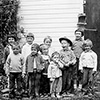
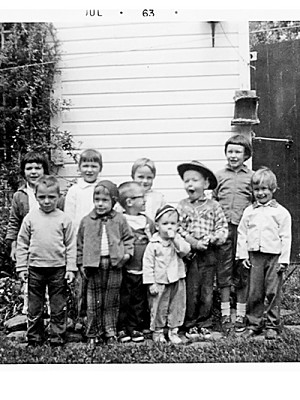
I can't remember all the names of the kids in the neighborhood, but I do remember that we always seemed to be together. Our yard was where we all played kickball and other games. One house had a pool that we got to use from time to time in the summer, until the large village pool was built in the late 1960s. One house had a player piano in the basement. What fun it was to listen to that!
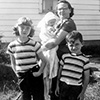
All the kids played well together, and the parents all looked after one another's kids. We knew our curfew, and if we were late coming home, my father's whistle could be heard all over the neighborhood. Every kid knew what that meant -- it was time for the Hayes kids to get home!
The biggest event in our town every year was the Erie County Fair parade. It was always held the first Saturday of the 10-day fair run in August. At that time, the Erie County Fair was the largest county fair in the country. The parade would wind through the village and end at the fairgrounds, and it lasted for about two hours. It was a big event, and since we only lived a block from the parade route, we always made sure to get there early to get a good spot!
As I got older, I participated in the parade as part of my Camp Fire Girls group. When we took part in the parade, we only saw the part that came after us after we got to the fairgrounds. Everything imaginable was in that parade, including an elephant one year!
Just to be at the fair was an adventure, with its mile-long midway, animal barns and shows, grandstand shows, vendors and more food than one person could eat! It was great to be a kid in August at the fair.
Halloween was very different then. Parents stayed home and gave out candy while kids roamed the neighborhood until their legs gave out. We only went to houses with the outside light on, but we were gone for hours. We did want to get home after we'd been to as many houses as we could to give out candy to trick-or-treaters who were out later than us and to check out all the candy we had gotten. In a house of four kids (eventually five), we had to protect our candy from the others if we wanted it to last!
Growing up in a village neighborhood was a healthy way of life. We spent our non-school time outdoors playing with friends, riding bikes, roller-skating, ice-skating, sledding, swimming and just being kids!

Follow Us On ...